


Your Journey, Our Expertise...
Menu

Pachermo Peak Climbing

18 Days • Moderate • Best season: Autumn/ Spring
Pachermo Peak Climbing

Overview

Pachermo Peak Climbing is one of Nepal’s most rewarding adventures, combining the beauty of the Rolwaling Valley, the thrill of crossing the Tashi Lapcha Pass (5,755m), and the challenge of summiting Pachermo Peak (6,273m). This 19-day journey is perfect for climbers who want to experience both off-the-beaten trekking trails and technical alpine climbing in a single expedition.

The trip begins in Kathmandu, where you explore cultural highlights before driving to Dolakha and trekking into the hidden Rolwaling region. This remote valley is rich in Tibetan-influenced culture, yak pastures, and traditional villages, making it an ideal setting for acclimatization. As the route progresses, the trail ascends through alpine forests, glaciers, and rugged mountain terrain toward the Tashi Lapcha Pass, which serves as the gateway to the Khumbu region.

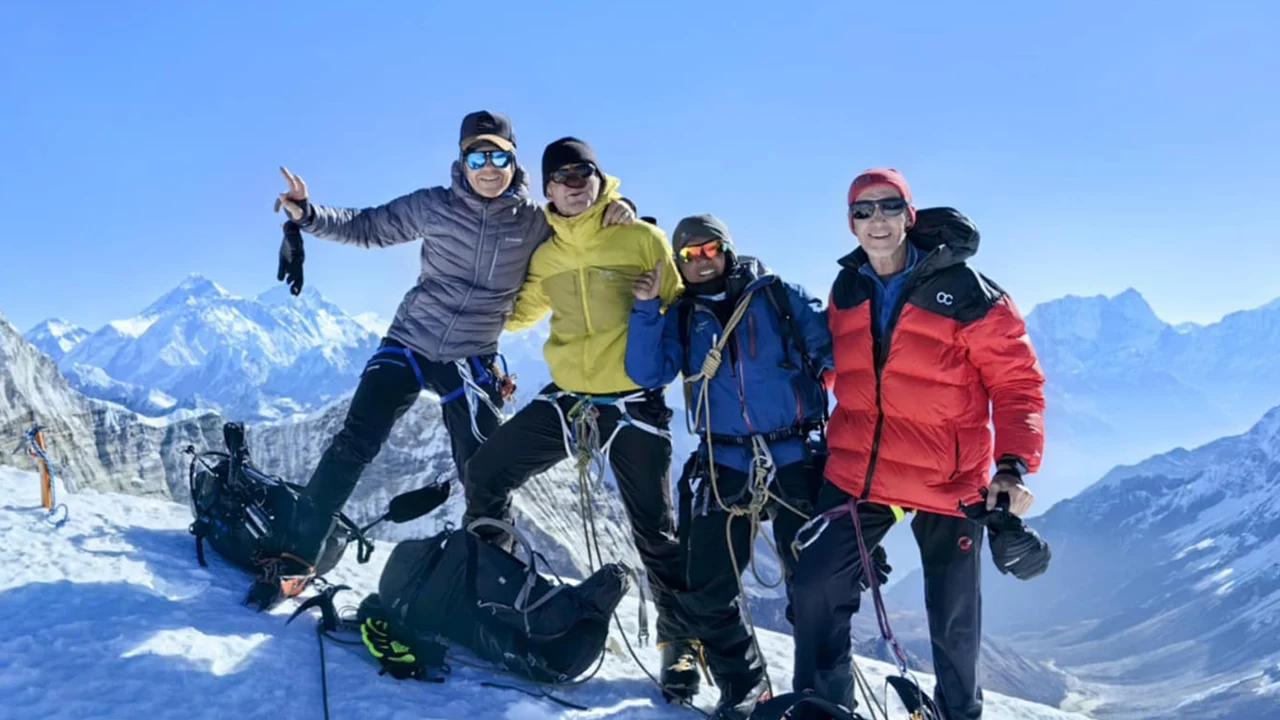
Climbing Pachermo Peak itself is moderately technical, involving glacier travel, rope work, and steep snow slopes. While it is accessible to beginners with proper fitness and training, having prior high-altitude trekking or climbing experience is highly recommended. From the summit, climbers are rewarded with panoramic views of Everest, Cho Oyu, Makalu, Ama Dablam, Gauri Shankar, and countless other Himalayan giants.

Another highlight of this trip is the transition from the remote Rolwaling side to the popular Everest region. After the climb, the trail connects to Thame and Namche Bazaar, giving you a chance to experience Sherpa culture before flying back from Lukla to Kathmandu.

In short, Pachermo Peak Climbing offers a perfect blend of cultural immersion, wilderness trekking, and mountaineering. It is an excellent choice for adventurers who want to climb a Himalayan peak while exploring two of Nepal’s most iconic trekking regions in one unforgettable journey.

Major Highlights of Pachermo Peak Climbing – 19 Days

  • Summit Pachermo Peak (6,273m) – Experience the thrill of climbing a Himalayan peak with spectacular views of Everest, Cho Oyu, and Makalu.
  • Cross the Tashi Lapcha Pass (5,755m) – A challenging high-altitude crossing that links the remote Rolwaling Valley with the famous Khumbu region.
  • Trek through the hidden Rolwaling Valley – Explore one of Nepal’s least-visited trekking regions, known for traditional Sherpa villages, yak pastures, and Tibetan cultural influence.
  • Immersive cultural experience – Meet locals in Dolakha, Beding, and Thame, gaining insight into Sherpa traditions and mountain life.
  • Varied landscapes – From lush forests and river valleys to glaciers and rugged alpine terrain, the route offers incredible diversity.
  • Climbing adventure with moderate technical challenges – Learn or practice glacier travel, rope handling, and snow climbing techniques.
  • Unique combination trip – Trekking in both off-the-beaten Rolwaling region and world-famous Everest region within a single itinerary.
  • Acclimatization and safety – A carefully paced route to ensure proper adjustment to altitude before the summit push.
  • Scenic Lukla flight – End your adventure with a short but memorable mountain flight back to Kathmandu.

Pachermo Peak Climbing

Trekking & Hiking Adventure

Duration 19 Days
Grade Moderate
Meal B/L/D
Group Size 1-30
Accomodation Hotel/Lodge
Best Season Autumn/ Spring
Start/End Kathmandu
Max Altitude 6187m
Activity Climbing
Day 1 — Arrival in Kathmandu
Elevation 1350 m

Upon arrival at Tribhuvan International Airport in Kathmandu, travelers are warmly welcomed by their guide and driver. After clearing immigration and collecting luggage, you’ll be transferred to your hotel in the city, where you can rest, refresh, and recover from your international flight. Depending on your arrival time, you may have the opportunity to explore the vibrant streets of Thamel, the main tourist hub, or enjoy a traditional Nepali meal at a local restaurant.

Kathmandu, the capital of Nepal, is a fascinating city that blends ancient culture with modern life. You’ll notice the bustling markets, colorful temples, prayer flags fluttering in the wind, and historic architecture as you walk through its streets. This day is primarily for adjusting to the city’s rhythm, resting, and preparing for your upcoming trekking adventure or sightseeing tour. Your guide will also provide a briefing on the trek ahead, including tips on packing, acclimatization, and local customs. Overnight stay is at a comfortable hotel in Kathmandu, offering a convenient base to begin your Nepal journey.

Accomodation: Hotel
Meals: Lunch & Dinner
Day 2 — Kathmandu to Shigati via Gongar (Drive 7–8 hrs)
Down ↓ 450 m
Elevation 950 m

The day begins with an early morning departure from Kathmandu, leaving behind the hustle and bustle of the capital and heading towards the serene Manaslu region. The drive takes roughly 7–8 hours, covering about 150–160 km, and winds through a mix of highways, rural roads, and mountain passes. As you leave the Kathmandu Valley, you will notice the gradual change in landscape—from urban settlements to lush green hills, terraced farmlands, and rivers flowing through deep gorges.

Around mid-way, you will pass through Gongar, a small town famous for its peaceful atmosphere and stunning mountain backdrops. This is a perfect spot to stretch your legs, take photographs, and enjoy a cup of tea while soaking in the surrounding scenery. The drive continues along winding roads carved into hillsides, offering glimpses of distant snow-capped Himalayan peaks, cascading rivers, and villages dotted with traditional Nepalese homes.

As the road descends toward Shigati, the landscape transforms into densely forested valleys and terraced fields, revealing the unique culture and lifestyle of local Gurung and Manaslu communities. Shigati itself is a small settlement at the gateway of the Pachermo trekking route, where lodges provide a comfortable place to rest, have a hearty Nepali meal, and prepare for the trek ahead. Here, trekkers can enjoy panoramic views of surrounding peaks and the Budhi Gandaki River, a perfect prelude to the adventure.

Evening in Shigati is calm and serene, ideal for relaxing, checking your gear, and acclimatizing slightly to the altitude before setting out on the next day’s trek.

Accomodation: Lodge
Meals: Breakfast, Lunch & Dinner
Day 3 — Trek from Shigati to Jagat
Ups ↑ 400 m
Down ↓ 000 m
Elevation 1350 m
Distance ⟺ 8-9 km

After breakfast in Shigati, the trek officially begins as you follow the Rolwaling River upstream, entering a quiet and less-traveled Himalayan valley. The trail starts gently, passing through terraced fields and traditional stone houses, offering an early glimpse into rural mountain life. As you leave the village behind, the path gradually narrows and moves into a forested section filled with pine, rhododendron, and bamboo, creating a peaceful walking environment with plenty of shade.

The route involves a steady uphill climb, with several short ascents and descents along rocky trails and wooden bridges crossing small streams flowing into the Rolwaling Khola. You may encounter local villagers transporting supplies by mule, reminding you how remote this region truly is. As the altitude increases, the valley opens up, revealing dramatic hillsides and cascading waterfalls. By afternoon, you reach Jagat, a small Sherpa settlement perched above the river, surrounded by steep forested slopes. This quiet village is an ideal first overnight stop, helping your body begin its acclimatization process before heading deeper into the Rolwaling Valley.

You’ll spend the night in a simple teahouse, enjoying warm meals and the calm mountain atmosphere, far away from crowded trekking routes.

Accomodation: Local Lodge
Meals: Breakfast, Lunch & Dinner
Duration: 5-6 hours
Day 4 — Trek from Jagat to Simigaon
Ups ↑ 600 m
Down ↓ 000 m
Elevation 2000 m
Distance ⟺ 6-7 km

After breakfast in Jagat, the trek begins with a gradual ascent through a peaceful Rolwaling Valley landscape, far quieter than popular trekking regions. The trail first follows the Tamakoshi River, crossing small wooden bridges and passing terraced farmlands where locals grow potatoes, maize, and barley. This section gives a real glimpse into rural mountain life, with stone houses and prayer flags marking village entrances.

As the trail climbs higher, the scenery slowly changes from cultivated land to dense rhododendron and pine forests. The ascent becomes steeper in parts, especially after crossing suspension bridges over narrow gorges. You’ll walk through shaded forest trails with occasional clearings that provide distant views of surrounding hills. The final climb to Simigaon is steady but manageable, rewarding you with a beautiful traditional Sherpa village set on a hillside. Simigaon is one of the most important settlements in the Rolwaling region, offering impressive views of Gaurishankar Himal and a strong sense of Himalayan culture. Overnight stay at a local lodge.

Accomodation: Local Lodge
Meals: Breakfast, Lunch & Dinner
Duration: 4-5 hours
Day 5 — Trek from Simigaon to Dongang
Ups ↑ 900 m
Down ↓ 100 m
Elevation 2800 m
Distance ⟺ 6-7 km

After breakfast in Simigaon, the trail begins with a gentle walk through traditional Rolwaling Sherpa villages, where stone houses, prayer walls, and cultivated terraces reflect a quiet mountain lifestyle. The morning section is relatively easy, allowing trekkers to warm up while enjoying views of surrounding forested hills and occasional glimpses of snowy peaks far above the valley.

Leaving Simigaon behind, the trail gradually descends into a dense rhododendron and pine forest, following a narrow path that winds along the hillside. The descent is steady but not technical, leading down toward the Rolwaling Khola. As you lose elevation, the vegetation becomes thicker, and the sound of the river grows louder, adding a peaceful rhythm to the walk.

After crossing small wooden bridges and passing through shaded forest sections, the trail begins a gradual ascent toward Dongang, a small riverside settlement surrounded by forest. The final section involves short uphill climbs, but nothing strenuous. Dongang serves as a quiet overnight stop before entering more remote alpine terrain in the coming days. The calm atmosphere and natural surroundings make it a relaxing place to rest and prepare for higher elevations.

Accomodation: Lodge
Meals: Breakfast, Lunch & Dinner
Day 6 — Trek from Dongang to Beding
Ups ↑ 900 m
Down ↓ 000 m
Elevation 3700 m
Distance ⟺ 9-10 km

Today’s trek takes you deeper into the heart of the Rolwaling Valley, following the steady upstream course of the Rolwaling Khola. Leaving Dongang behind, the trail gradually ascends through dense alpine forests filled with pine, rhododendron, and juniper trees. The path is well-defined but quieter compared to popular trekking routes, giving the walk a peaceful and remote feeling. Along the way, you’ll cross several small wooden bridges and pass occasional yak pastures and stone shelters used by local herders.

As you gain altitude, the valley slowly opens up, revealing dramatic mountain walls and distant glacier-fed streams cascading down the slopes. The terrain alternates between gentle uphill sections and short steeper climbs, making the trek steady but manageable. After several hours, you arrive at Beding, the largest and most important village in the Rolwaling region. Beding sits on a wide valley floor surrounded by towering peaks and is home to traditional stone houses, a monastery, and expansive grazing lands. This village is also a major acclimatization stop for trekkers and climbers heading toward Pachermo Peak and Tashi Lapcha Pass. Overnight stay is at a teahouse or lodge in Beding.

Accomodation: Lodge
Meals: Breakfast, Lunch & Dinner
Duration: 6-7 hours
Day 7 — Acclimatization in Beding
Ups ↑ 300 m
Down ↓ 300 m